Why I Still Make Fur Hats the Old Way
My grandfather used to say, "If you're going to make something, make it so your grandkids can use it." He wasn't being poetic. He meant it literally. The ushanka he made in 1987? My cousin still wears it. Looks better now than most new hats I see in stores. That's the standard I'm chasing.
How This Started
I grew up watching my grandfather work in his Kyiv workshop. Even as a kid, I could tell he wasn't rushing. He'd spend an entire afternoon on a single seam. When I asked why, he'd say, "Because I'm not making this twice." Made sense to me then. Makes even more sense now. By the time I was twelve, he started teaching me. Not the fun stuff—the boring stuff. How to feel a pelt to check quality. How to recognize uneven thickness. How to spot dye that'll fade after one winter. Thirty years later, I still use everything he taught me.
The Materials Problem
Here's something most people don't know: maybe 40% of the furs suppliers send us get rejected. Too thin here. Color's off there. Texture isn't right. Our suppliers think we're insane. But I learned from my grandfather—if the material isn't perfect, don't use it. Period. We work mostly with Italian mink and Siberian sable. Both have the density you need for real cold (we're talking -20°C to -25°C). Both age beautifully if treated right. And both feel incredible—that buttery softness that cheap fur never has. Could we use cheaper materials? Sure. Would the hats last 20 years? Probably not.
What Takes So Long
People ask why each hat takes 8-12 hours. Fair question. Here's the answer: hand-stitching every seam takes time. Matching pelts by color and texture takes time. Shaping the crown so it actually fits heads properly (not just "one size fits most") takes time. We could speed things up. Use machines for stitching. Skip the pelt-matching. Pre-make standard sizes. But then we'd be making the same garbage everyone else makes. What's the point?
The Styles We Make
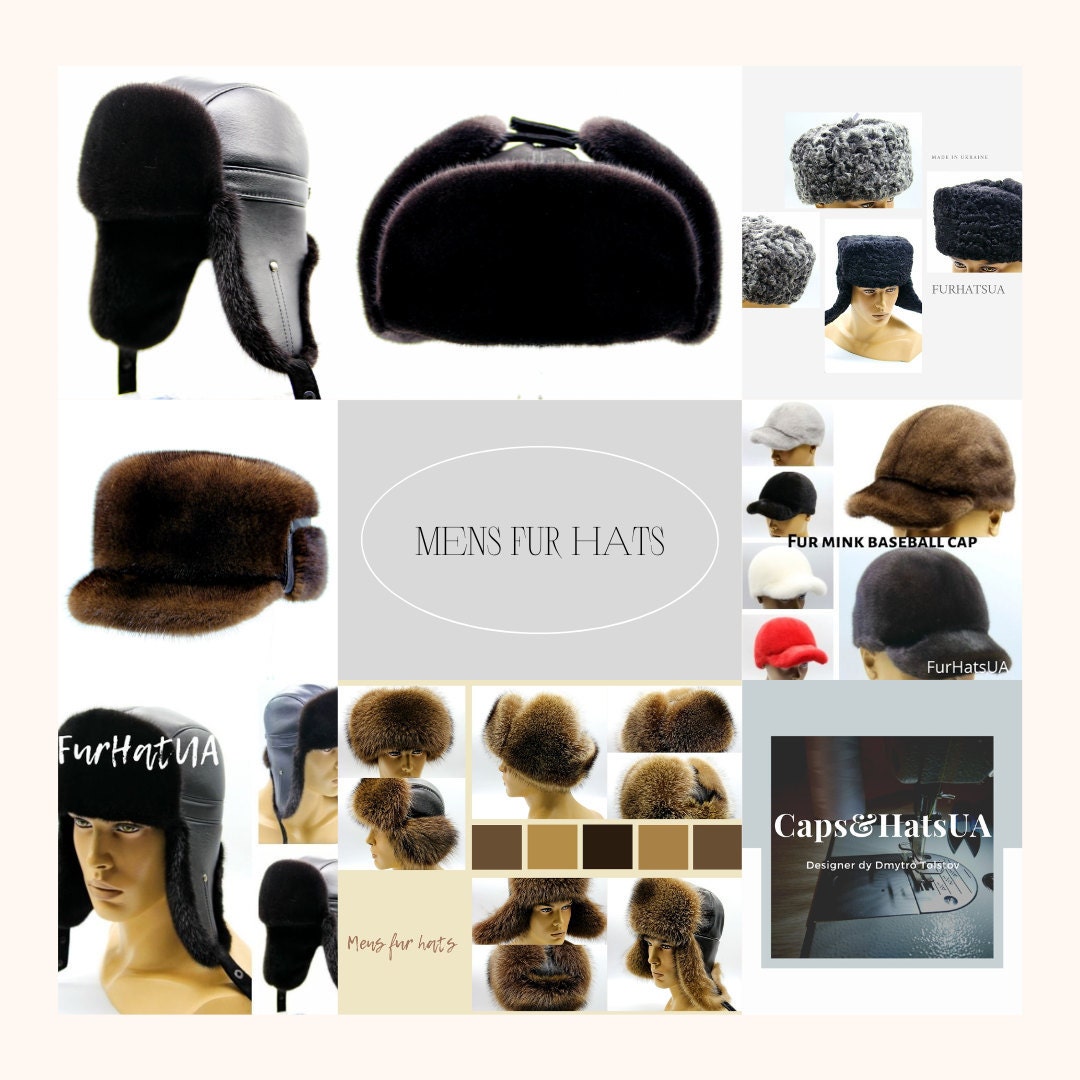
Three main categories: Winter warriors. Ushankas, aviator hats, full-coverage pieces for when it's genuinely cold. These aren't fashion items—they're functional pieces that happen to look good. Most popular with clients in Canada, Russia, Scandinavia. People who understand real winter. Everyday wear. Baseball caps with fur trim, beanies, stuff you can wear around Kyiv without looking like you're about to hunt bears. Warmer than wool, more durable than synthetic, and they age better. Custom pieces. This is where it gets interesting. Someone sends us a sketch or just describes what they want, and we figure it out. Last month: a baseball cap made entirely from sable (usually we use mink for caps). Why? Because the client wanted it. Takes longer, costs more, but you end up with something nobody else has.
The Custom Process
Pretty simple, actually. You tell us what you want. We sketch it, send photos of the furs we'd use, discuss sizing. You approve. We make it. Takes about 3-4 weeks start to finish. Most common request? "Like this, but in a different color." Easy. The weird requests are more fun—someone once wanted a ushanka but with the ear flaps permanently up. Sure, why not?
Why This Still Matters
Ukraine has been making fur hats for centuries. Not because it's trendy. Because winters here are brutal and wool isn't enough. My grandfather's generation didn't have "fast fashion." They had: make it well, or freeze. That mindset shaped everything about how we work. Now we're in 2025, and suddenly everyone's talking about "sustainability" and "buy it for life" like it's revolutionary. Meanwhile, we've been doing this for 30 years because... what's the alternative? Make garbage that falls apart?
If You're Still Reading
Thanks. Genuinely. I know fur isn't for everyone. Some people prefer synthetic. That's fine. But if you want something real—something you'll still be wearing in 2045—we're here. Browse the collection. See if anything speaks to you. Questions? Just ask.
Care Tips
After wearing: Brush gently with soft fur brush. Keeps the nap looking good. Storage: Cool, dry place. Away from direct sunlight. No plastic bags (fur needs to breathe). Cleaning: Light snow? Just shake it off. Heavy dirt? Take it to a professional furrier. Don't try washing it yourself. Trust me on this. Longevity: Properly cared for, these hats last 20+ years. My grandfather's 1987 ushanka is still going strong. That's the goal.